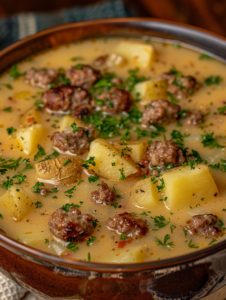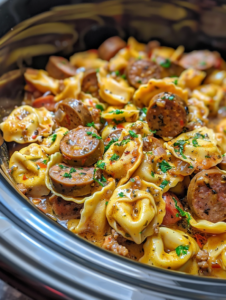
Korean Beef Noodles made in a crockpot delivers tender braised beef in a savory-sweet broth with perfectly cooked noodles. This comforting slow cooker recipe combines aromatic garlic, ginger, and soy sauce to create an effortless weeknight dinner.

Among easy crockpot meals, this dish stands out for its bold flavors and minimal hands-on time that fits any busy schedule.
Table of Contents
Why This Crockpot Recipe Works
I discovered this Korean beef noodle recipe during a particularly hectic month when I needed comforting dinners without the fuss. The slow cooker transforms tough beef chuck into melt-in-your-mouth tender pieces while developing a deeply flavored broth. The low and slow cooking method allows the ginger, garlic, and soy sauce to penetrate every fiber of the meat, creating layers of umami-rich flavor that simply cannot be rushed on the stovetop.
What makes this one of my favorite slow cooker recipes is how the beef releases its natural gelatin during the long cook time, enriching the broth with silky body. The broth becomes the star, coating the noodles with glossy, savory goodness. I love adding the noodles at the very end to prevent them from becoming mushy, ensuring perfect texture every single time. This technique keeps the dish restaurant-quality while remaining one of the easiest crockpot dinner ideas in my weekly rotation.
The Korean-inspired flavor profile brings exciting variety to typical slow cooker dinner recipes without requiring specialty skills or hard-to-find ingredients. Even my pickiest eaters request this dish weekly, proving that slow cooker comfort food can be both adventurous and accessible for busy families.

Korean Beef Noodles: Slow Cooker Comfort
Ingredients
Method
- Pat the beef cubes dry and season with black pepper.
- In a bowl, mix soy sauce, beef broth, brown sugar, garlic, fresh ginger, sesame oil, and rice vinegar.
- Place beef in the slow cooker and pour the sauce mixture over it.
- Cover and cook on low for 6 to 8 hours, or until the beef is tender.
- About 30 minutes before serving, add Korean glass noodles directly into the slow cooker.
- Stir to coat the noodles with the broth and let cook until the broth reduces slightly and the noodles soften.
- Garnish with sliced green onion and toasted sesame seeds before serving.
Notes
Leftovers can be stored in the refrigerator for up to 3 days.
Glass noodles cook quickly, so do not add them too soon or they will become mushy.
For gluten-free option, use tamari instead of soy sauce and verify noodles are gluten-free.
Ingredients
| Ingredient | Quantity | Notes or Alternatives |
|---|---|---|
| Beef chuck roast | 2.5 pounds | Cut into 1-inch cubes; can substitute with beef brisket |
| Low-sodium soy sauce | 1/2 cup | Tamari for gluten-free option |
| Beef broth | 4 cups | Low-sodium preferred for better control |
| Brown sugar | 1/4 cup | Coconut sugar or honey works well |
| Garlic cloves | 6 cloves, minced | 2 teaspoons garlic powder in a pinch |
| Fresh ginger | 2 tablespoons, grated | 1 teaspoon ground ginger as alternative |
| Sesame oil | 2 tablespoons | Adds authentic Korean flavor; do not skip |
| Rice vinegar | 2 tablespoons | Apple cider vinegar can substitute |
| Gochugaru (Korean red pepper flakes) | 1-2 teaspoons | Adjust to heat preference; red pepper flakes work |
| Yellow onion | 1 large, sliced | Sweet onion or white onion acceptable |
| Carrots | 2 medium, sliced | Adds sweetness and color |
| Shiitake mushrooms | 8 ounces, sliced | Baby bella or button mushrooms work |
| Cornstarch | 2 tablespoons | For thickening the broth |
| Water | 3 tablespoons | To make cornstarch slurry |
| Udon noodles or rice noodles | 12 ounces | Fresh or dried; add at the end |
| Green onions | 4 stalks, chopped | For garnish and fresh flavor |
| Sesame seeds | 2 tablespoons | For garnish; toasted preferred |
Step-by-Step Crockpot Instructions
Preparation Phase
- Trim excess fat from the beef chuck roast and cut into uniform 1-inch cubes for even cooking.
- Mince the garlic cloves and grate the fresh ginger using a microplane or fine grater.
- Slice the yellow onion into thin half-moons and cut carrots into diagonal slices about 1/4-inch thick.
- Clean and slice the shiitake mushrooms, removing tough stems if using fresh mushrooms.
- Chop green onions, separating white and green parts for different cooking stages.
Slow Cooker Assembly
- Place the cubed beef chuck into the bottom of your slow cooker in an even layer.
- Add the sliced onions, carrots, and mushrooms on top of the beef pieces.
- Sprinkle the minced garlic, grated ginger, and gochugaru over the vegetables and beef.
- Pour the soy sauce, beef broth, sesame oil, and rice vinegar into the crockpot.
- Stir in the brown sugar until it begins to dissolve into the liquid mixture.
- Add the white parts of the green onions to infuse flavor during the long cook.
- Cover the slow cooker with the lid and set to low heat for 6 to 7 hours.
Finishing Touches
- Check the beef for tenderness after 6 hours by testing with a fork for easy shredding.
- Create a slurry by whisking cornstarch with water in a small bowl until completely smooth.
- Pour the cornstarch slurry into the crockpot while stirring gently to distribute evenly throughout the broth.
- Set the slow cooker to high heat and cook for 15 minutes until the broth thickens noticeably.
- Cook the noodles separately according to package directions, draining them thoroughly when tender.
- Add the cooked noodles directly to the crockpot or serve them in individual bowls with beef and broth ladled over top.
- Garnish each serving with reserved green onion tops and sesame seeds for color and texture.
- Taste and adjust seasoning with additional soy sauce or a pinch of salt if needed before serving.
Chef Tips for Perfect Slow Cooker Results
- Sear the beef first for deeper flavor: While optional for crockpot recipes, browning the beef cubes in a hot skillet before adding to the slow cooker creates a caramelized crust that adds rich, complex flavor to the finished dish.
- Do not lift the lid unnecessarily: Each time you peek into your slow cooker, you release heat and add approximately 20 minutes to the cooking time, which disrupts the steady temperature needed for tender beef.
- Cut beef against the grain after cooking: If you prefer larger beef pieces, cook the roast whole and slice it against the grain before serving to ensure maximum tenderness in every bite.
- Add delicate vegetables later: Heartier vegetables like carrots can cook the full time, but softer options like bok choy or spinach should be stirred in during the last 30 minutes to prevent overcooking.
- Use fresh ginger for authentic taste: While ground ginger works in a pinch, fresh ginger provides a bright, slightly spicy flavor that defines Korean-inspired slow cooker comfort food and cannot be replicated with dried spices.
- Choose the right noodles: Thick udon noodles hold up best to reheating, while delicate rice noodles work beautifully for immediate serving but can become mushy if stored in the broth overnight.
Common Mistakes to Avoid
Adding noodles too early ruins the texture. Many home cooks make the mistake of adding noodles at the beginning of the slow cooking process, thinking it saves time. However, noodles absorb excessive liquid and become bloated and mushy after hours in the crockpot. Always cook noodles separately and add them just before serving, or during the last 20 minutes on high heat. This simple timing adjustment transforms the dish from soggy to restaurant-quality, maintaining the integrity of both the broth and the noodles.
Using too much liquid dilutes the flavors. While slow cooker recipes require liquid to prevent burning, beef releases substantial moisture during cooking. Starting with too much broth results in a watery, weak-tasting sauce that lacks the concentrated umami punch Korean beef dishes are known for. Stick to the recommended 4 cups of broth for 2.5 pounds of beef. If the finished dish seems too thin, the cornstarch slurry corrects the consistency perfectly without compromising the carefully balanced flavors you worked to build.
Skipping the resting period after cooking affects flavor distribution. When the slow cooker signals completion, resist the urge to serve immediately. Letting the dish rest for 10 to 15 minutes with the lid off allows the broth to cool slightly and thicken naturally. This resting period also lets the beef reabsorb some of the flavorful liquid, making each bite more succulent. Patience during this final stage elevates your easy crockpot dinners from good to genuinely memorable.
Variations and Substitutions
| Ingredient | Substitution | Flavor Impact |
|---|---|---|
| Beef chuck | Beef short ribs | Richer, more luxurious with extra marbling |
| Beef chuck | Chicken thighs | Lighter flavor, shorter cook time (4 hours), makes it one of the best crockpot chicken recipes |
| Soy sauce | Coconut aminos | Slightly sweeter, soy-free option with less sodium |
| Brown sugar | Maple syrup | Adds subtle maple undertones with similar sweetness |
| Gochugaru | Sriracha sauce | Adds heat with garlic notes, use 1-2 teaspoons |
| Udon noodles | Zucchini noodles | Makes it a healthy crockpot recipe, low-carb option |
| Shiitake mushrooms | Bok choy | Adds freshness and crunch, stir in last 30 minutes |
| Sesame oil | Olive oil plus sesame seeds | Less authentic but workable if sesame oil unavailable |
Serving Suggestions and Pairings
This Korean beef noodle dish shines as the centerpiece of family dinners and provides complete comfort on busy weeknights. Serve it in deep bowls to showcase the rich broth, allowing everyone to enjoy the aromatic steam rising from their portion. The combination of tender beef, slurp-worthy noodles, and flavorful vegetables creates a one-bowl meal that needs little accompaniment, though a simple cucumber salad dressed with rice vinegar adds refreshing contrast to the rich, savory broth.

For a complete Korean-inspired spread, pair this slow cooker dinner recipe with traditional banchan like kimchi, seasoned bean sprouts, or pickled radishes. The fermented, tangy flavors of kimchi cut through the richness of the beef beautifully. If you are hosting a casual gathering, set up a toppings bar with extra green onions, sesame seeds, soft-boiled eggs, and additional gochugaru so guests can customize their bowls. This interactive approach transforms easy crockpot meals into memorable dining experiences that feel special despite minimal effort.
Leftover Korean beef noodles work wonderfully for meal prep lunches throughout the week. Store the beef and broth separately from the noodles to maintain optimal texture. When ready to eat, reheat the beef mixture and pour it over freshly cooked or quickly reheated noodles. This strategy keeps your make-ahead meals tasting freshly prepared rather than like reheated leftovers, making your crockpot dinner ideas stretch further with better quality results.
Storage and Reheating
| Method | Duration | Instructions |
|---|---|---|
| Refrigerator | 3-4 days | Store beef and broth in airtight container separate from noodles. Cool completely before sealing to prevent condensation. |
| Freezer (beef and broth only) | 2-3 months | Freeze in portioned containers without noodles. Leave 1 inch headspace for expansion. Thaw overnight in refrigerator before reheating. |
| Microwave reheating | 2-3 minutes | Place beef and broth in microwave-safe bowl, cover loosely, heat on high in 1-minute intervals, stirring between. Add fresh noodles after heating. |
| Stovetop reheating | 5-7 minutes | Transfer beef and broth to saucepan, heat over medium until simmering. Add cooked noodles during last 2 minutes to warm through gently. |
| Crockpot reheating | 1-2 hours | Place beef and broth in slow cooker on low setting. Add noodles during final 20 minutes. Perfect for potlucks and gatherings. |
Nutritional Information
| Nutrient | Amount per Serving |
|---|---|
| Calories | 485 |
| Protein | 42g |
| Total Fat | 18g |
| Saturated Fat | 6g |
| Carbohydrates | 38g |
| Dietary Fiber | 3g |
| Sugar | 12g |
| Sodium | 980mg |
| Cholesterol | 95mg |
| Iron | 4mg |
Note: Nutritional values are approximate and calculated per serving based on 6 servings total. Actual nutrition may vary depending on specific ingredients and brands used. Use low-sodium soy sauce and broth to reduce sodium content significantly. For a lighter version suitable for healthy crockpot recipes, trim all visible fat from beef and use zucchini noodles instead of traditional noodles to reduce calories and carbohydrates.
Frequently Asked Questions
Can I make this as an easy crockpot chicken dinner instead of beef?
Yes, you can absolutely substitute chicken for beef in this recipe with excellent results. Use boneless, skinless chicken thighs instead of beef chuck, as thighs remain tender and juicy during slow cooking. Reduce the cooking time to 4 hours on low heat since chicken cooks faster than beef. The flavor profile works beautifully with chicken, creating one of the most flavorful crockpot chicken recipes you will try, though the broth will be slightly lighter in color and richness compared to the beef version.
How do I adapt crockpot recipes to be healthier?
Making healthy crockpot recipes involves several simple strategies that do not sacrifice flavor. Choose lean proteins or trim visible fat from meats before cooking to reduce saturated fat content. Use low-sodium broths and sauces to control salt intake, and increase the vegetable-to-meat ratio for added fiber and nutrients. Replace refined grains with whole grain noodles or vegetable-based alternatives like zucchini noodles.
Can I cook this Korean beef recipe on high instead of low?
You can cook this recipe on high heat, but you must adjust the timing to prevent tough, dry beef. Cook on high for 3 to 4 hours instead of 6 to 7 hours on low heat. However, the low and slow method produces more tender beef with better flavor development as the connective tissues break down more completely. If you are short on time, high heat works in a pinch, but check the beef at 3 hours to avoid overcooking. The broth flavor will be less developed compared to the longer cooking method preferred for most slow cooker comfort food recipes.
What is the proper way to store crockpot recipes with noodles?
The proper storage method for crockpot recipes with noodles requires separating the components to maintain quality and texture. Store the beef and broth in one airtight container and keep plain cooked noodles in a separate container with a light coating of sesame oil to prevent sticking. This separation prevents noodles from absorbing all the broth and becoming mushy during storage. When ready to eat, reheat the beef and broth, then add the noodles during the last few minutes of reheating.
Conclusion
This Korean Beef Noodles recipe transforms your slow cooker into a vessel for creating restaurant-quality comfort food with minimal effort. The tender beef swimming in savory-sweet broth delivers bold flavors that make weeknight dinners feel special and satisfying. Among crockpot dinner ideas, this dish stands out for its perfect balance of convenience and impressive taste that appeals to the whole family. Try this recipe today and discover how easy crockpot meals can bring exciting international flavors to your dinner table without adding stress to your busy schedule. Your slow cooker will become your favorite kitchen tool for creating these deeply comforting, nourishing bowls that warm both body and soul.
Follow me on Pinterest and Facebook for more easy, delicious slow cooker meals.