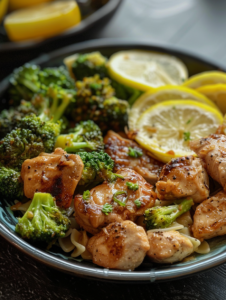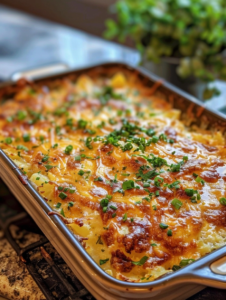
There’s a certain kind of meal that doesn’t need a fancy name to earn its place at the table. Poor Man’s Cabbage and Macaroni is exactly that a dish born from necessity, perfected by grandmothers who could turn a half-head of cabbage, a box of elbow macaroni, and whatever meat was on sale into something the whole family fought over seconds of. It’s the kind of recipe that got families through lean months during the Great Depression and never actually left the rotation, because honestly, it’s just good.
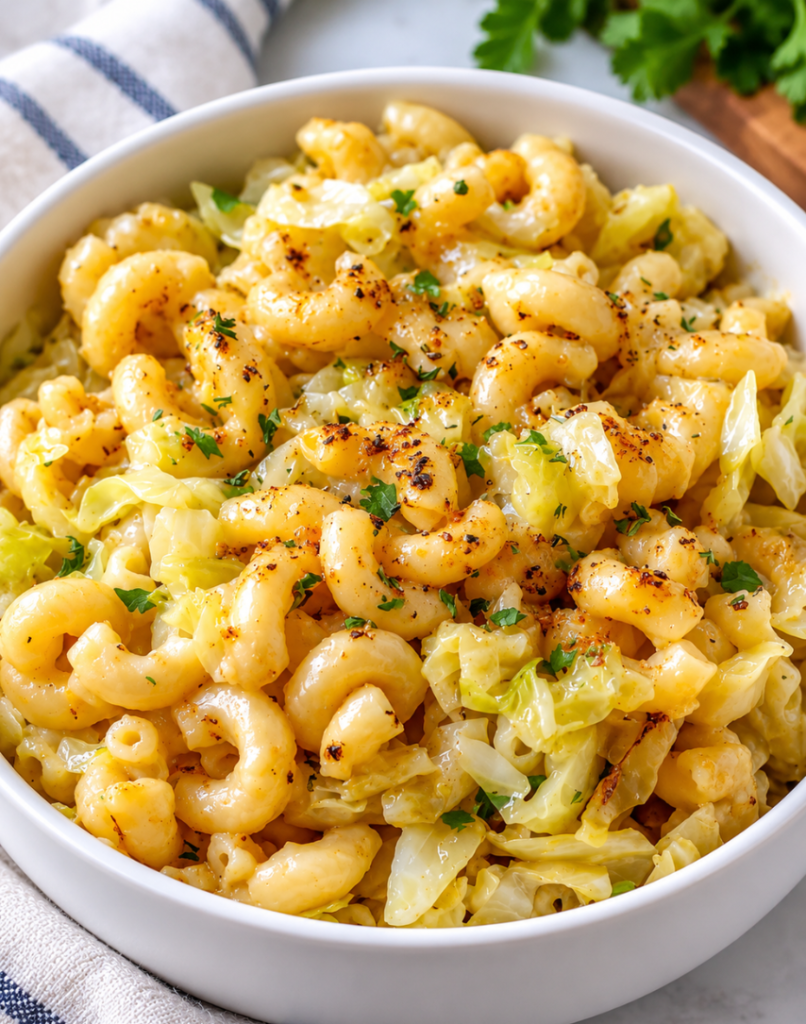
Now, throw a slow cooker into the mix, and you’ve got a meal that practically makes itself. Toss everything in before you leave for work, come home to a kitchen that smells like your grandmother’s house, and dinner is done. No standing over a stove, no babysitting a pot, no last-minute scrambling. Just cabbage, macaroni, and a little patience doing all the heavy lifting for you.
Below, you’ll find a complete, tested approach to making this dish in a slow cooker plus answers to the questions people ask most when they’re about to try it for the first time (yes, including whether you can really just dump uncooked pasta in there).
Table of Contents
Why This Recipe Works So Well in a Slow Cooker
Cabbage was practically made for slow cooking. It softens beautifully over low, gentle heat, releasing its natural sweetness instead of turning bitter the way it can on a hot stovetop. Meanwhile, the low-and-slow method gives any ground meat or sausage in the pot time to fully render its flavor into the broth, which the cabbage and macaroni then soak up like a sponge.
The one tricky part and it’s the question everyone asks first is the macaroni itself.
Can I Put Uncooked Pasta in a Slow Cooker?
Yes, you absolutely can put uncooked (dry) pasta in a slow cooker but timing and liquid are everything. Pasta cooks fast, and a slow cooker cooks slow, so if you add dry macaroni at the very beginning alongside everything else, you’ll end up with a mushy, overcooked mess by the time the cabbage is tender.
The fix is simple: add the dry macaroni during the last 20–30 minutes of cooking, once the cabbage and meat are already soft and flavorful. Stir it in, make sure it’s submerged in enough liquid, cover, and let it finish cooking on high. This gives you perfectly al dente pasta that hasn’t turned to paste, while everything else has had all day to develop flavor.
A quick rule of thumb: on high heat, dry elbow macaroni typically needs about 20–30 minutes in a slow cooker with enough liquid to cover it. On low heat, budget closer to 45 minutes to an hour. Always check a piece before serving slow cookers vary, and it’s better to test early than end up with gluey noodles.
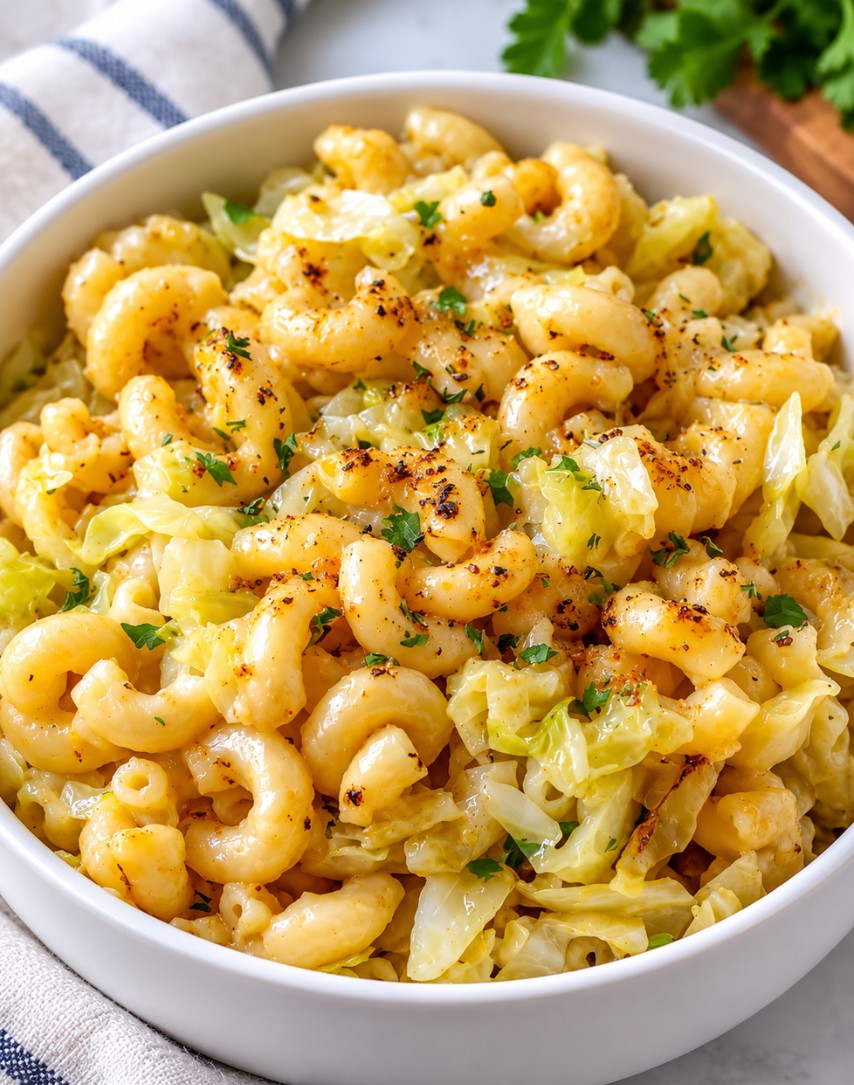
Slow Cooker Poor Man’s Cabbage and Macaroni
Ingredients
Method
- If using ground beef or pork, brown it in a skillet over medium-high heat for 5–6 minutes, breaking it apart as it cooks. Drain excess fat. This step is optional but adds deeper flavor. Smoked sausage or kielbasa can be added raw or lightly seared.
- Add the cabbage, browned meat or raw sausage, onion, garlic, undrained diced tomatoes, broth, Worcestershire sauce, smoked paprika, thyme, red pepper flakes, salt, and black pepper to the slow cooker. Stir gently to combine.
- Cover and cook on LOW for 6–7 hours or on HIGH for 3–4 hours, until the cabbage is fork-tender and the flavors have melded.
- About 25–30 minutes before serving, stir in the dry elbow macaroni. Make sure the noodles are mostly submerged in the liquid. If the mixture looks dry, add a splash of additional broth or water. Cover and switch to HIGH, or continue on HIGH if already cooking there.
- After about 20 minutes, test a piece of macaroni. Once the pasta is tender, taste and adjust the seasoning with additional salt and black pepper as needed.
- Ladle the cabbage and macaroni into bowls, top with fresh chopped parsley, and serve hot. Crusty bread can be served alongside.
Notes
The Recipe: Poor Man’s Cabbage and Macaroni
Ingredients
- 1 medium head green cabbage, cored and roughly chopped
- 1 lb ground beef, ground pork, or sliced smoked sausage/kielbasa (whichever you have on hand)
- 1 medium yellow onion, diced
- 3 cloves garlic, minced
- 1 can (14.5 oz) diced tomatoes, undrained
- 3 cups low-sodium beef or chicken broth
- 1 tbsp Worcestershire sauce
- 1 tsp smoked paprika
- 1 tsp dried thyme (or Italian seasoning)
- 1/2 tsp red pepper flakes (optional, for a little kick)
- Salt and black pepper, to taste
- 2 cups dry elbow macaroni
- Fresh parsley, chopped, for garnish
Instructions
- Brown the meat (optional but recommended): If using ground beef or pork, brown it in a skillet over medium-high heat for 5–6 minutes, breaking it apart as it cooks, then drain excess fat. This step isn’t strictly necessary the slow cooker will cook raw meat through safely but browning first builds a deeper, richer flavor. If using sausage or kielbasa, it can go in raw or lightly seared.
- Load the slow cooker: Add the cabbage, browned meat (or raw sausage), onion, garlic, diced tomatoes, broth, Worcestershire sauce, paprika, thyme, red pepper flakes, salt, and pepper. Stir gently to combine.
- Cook low and slow: Cover and cook on LOW for 6–7 hours, or on HIGH for 3–4 hours, until the cabbage is fork-tender and the flavors have melded.
- Add the macaroni: About 25–30 minutes before you’re ready to serve, stir in the dry elbow macaroni. Make sure the noodles are mostly submerged in liquid if it looks dry, add a splash more broth or water. Cover and switch to (or continue on) HIGH.
- Check and finish: After 20 minutes, test a piece of pasta. Once tender, taste and adjust seasoning with more salt and pepper as needed.
- Serve: Ladle into bowls, top with fresh parsley, and serve hot. A slice of crusty bread on the side never hurts.
Mistakes to Avoid When Making This Dish
A few small missteps can be the difference between a great pot of cabbage and macaroni and a disappointing one. Here’s what to watch for:
- Adding pasta too early. This is the number one mistake it leads to bloated, mushy noodles that fall apart. Always add it near the end.
- Not enough liquid. Cabbage releases some moisture as it cooks, but pasta absorbs liquid fast. If your dish looks dry after adding the macaroni, stir in extra broth rather than letting the noodles cook in a near-dry pot.
- Overfilling the slow cooker. Cabbage looks huge raw but shrinks dramatically as it cooks — still, don’t pack the cooker past two-thirds full, or you’ll get uneven cooking.
- Skipping the seasoning check at the end. Slow cooking mellows flavors over time, and broth reduces slightly, so always taste and re-season right before serving.
- Putting raw meat straight in without considering food safety timing. It’s generally fine to add raw ground meat or sausage directly to a slow cooker, since it will reach a safe internal temperature over hours of cooking. Just make sure your slow cooker gets hot enough, hot enough — avoid opening the lid repeatedly, which lets heat escape and slows the process.
High vs. Low: Does It Really Make a Difference?
You’ll often hear that 4 hours on high equals 8 hours on low — and while that’s a reasonable general guideline, it’s not an exact science. High heat cooks food faster because it maintains a higher overall temperature throughout, while low heat coaxes flavors out more gradually. For a dish like this one, where cabbage benefits from a long, gentle cook, low heat for most of the process (then switching to high just for the pasta) gives you the best texture and the deepest flavor. If you’re short on time, cooking the whole dish on high works too — just keep an eye on the cabbage so it doesn’t overcook before the pasta goes in.
One more note: it’s fine to start a dish on high to jump-start the cooking process and then switch to low for the remainder, but doing it the other way around (starting low, then blasting it on high) can sometimes cause uneven cooking. For this recipe, starting on low and finishing on high — right when the pasta goes in — is the way to go.
A “Lazy Cabbage Rolls” Variation
If you love the flavor of stuffed cabbage rolls but not the labor of rolling individual leaves, this dish is basically already doing that work for you. For an even closer match to that classic flavor, try this twist:
- Swap the ground beef for a mix of ground beef and rice (about 1/2 cup uncooked rice added with the broth, giving it time to cook alongside the cabbage).
- Use a full can of tomato sauce instead of diced tomatoes for a smoother, more traditional cabbage roll flavor.
- Add 1 tsp of dill or caraway seed for that classic Eastern European touch.
This version skips the macaroni entirely and leans into the rice-and-tomato profile people associate with lazy cabbage roll casseroles — essentially all the comfort of stuffed cabbage, none of the folding and rolling.
An Old-Fashioned Cabbage and Noodles Twist
For a lighter, more old-fashioned take (closer to the buttery cabbage-and-noodles dishes found in Eastern European home cooking), skip the tomatoes and meat entirely. Instead:
- Sauté the cabbage and onion in butter before adding to the slow cooker
- Use chicken broth as the base liquid
- Season simply with salt, pepper, and a generous amount of caraway seed
- Stir in wide egg noodles instead of macaroni during the last 20 minutes
- Finish with a pat of butter and a sprinkle of fresh dill
It’s a completely different personality from the hearty, tomato-based version — softer, more delicate, and wonderful alongside grilled sausage or a roast chicken.
Why Cabbage Deserves More Credit
Beyond being cheap and endlessly versatile, cabbage is genuinely one of the more underrated vegetables in the produce aisle. It’s loaded with vitamin C and vitamin K, packed with fiber that supports digestion, and full of antioxidant compounds that have been linked to reduced inflammation. It’s part of why cabbage shows up so often in longevity-focused diets around the world — it’s low in calories, filling, and adaptable to just about any flavor profile you throw at it, from tangy and fermented to rich and buttery, like it is here.
Frequently Asked Questions
What foods should not go in a slow cooker?
Dairy products like milk, cream, and soft cheeses tend to curdle or separate over long cook times, so they’re best stirred in near the end. Delicate seafood, raw pasta added too early, quick-cooking vegetables like zucchini or spinach, and boneless chicken breast (which dries out over extended cooking) also generally do better added later or avoided in long, unattended cook times.
What are the downsides of using a slow cooker?
The main trade-offs are texture and timing control. Ingredients that cook quickly on a stovetop can easily overcook in a slow cooker if added too early, browning and caramelization (which add depth of flavor) don’t really happen inside a slow cooker, and there’s less opportunity to adjust as you go, since lifting the lid repeatedly lets out heat and extends cook time. It’s a trade-off: incredible convenience and hands-off cooking, in exchange for a bit less precision.
What seasonings work well in cabbage dishes?
Cabbage pairs beautifully with caraway seed, smoked paprika, black pepper, garlic, dill, thyme, and a touch of vinegar or Worcestershire sauce for acidity. If you want warmth, a pinch of red pepper flakes or a dash of hot sauce works well too.
Can you put raw meat straight into a slow cooker?
Yes. Ground meat, sausage, and even larger cuts can go into a slow cooker raw, and the extended cooking time will bring them to a safe internal temperature. Browning first is optional and mainly done for flavor, not safety.
What is the yummiest way to cook cabbage?
That depends on the mood you’re going for, but braising it low and slow — the way it’s done in this recipe brings out a natural sweetness that quick-cooking methods can’t quite match. Sautéing in butter with onions and a splash of vinegar is another favorite for a reason: it’s simple, and it works every time.
Bringing It All Together
Poor Man’s Cabbage and Macaroni isn’t trying to impress anyone with technique or presentation it’s trying to fill bellies, stretch a grocery budget, and taste like something made with care. That’s exactly why it’s survived generations of kitchens and still shows up on tables today. Let your slow cooker do the slow, patient work of coaxing out flavor from humble ingredients, add your pasta at just the right moment, and you’ll end up with a pot of something that tastes a lot more special than its name lets on.
Give this one a try this week start it in the morning, add the macaroni when you walk in the door, and let me know how it turns out. And if you make one of the variations above, I’d love to hear which one becomes your new favorite.